Celebrating the International Day of Play
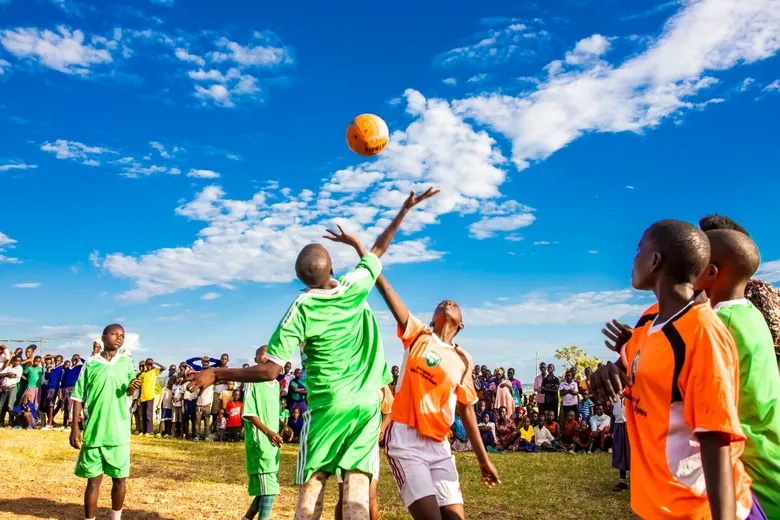
On the 11th of June we are celebrating the International Day of Play for the third time! Around the world, people are coming together to stand up for something too many children are still denied — the right to play. For the more than 224 million children who face barriers to play because of poverty, conflict, and crisis, it isn't a distraction or an afterthought: It's how they learn. It’s how they heal. It's one of the most powerful tools we have — and it lets kids be kids.
What is the International Day of Play?
In March 2024, the United Nations declared the International Day of Play, supported by 140 member states. Right To Play helped lead the global campaign, grounded in the belief that play is a fundamental right and essential to children’s learning and development.
Around the world, children are losing access to safe, joyful moments of play as conflict, disaster, poverty, gender inequality, and social exclusion increasingly shape their daily lives. These pressures disrupt childhood, limit learning, and heighten stress, especially for children who are displaced or facing trauma.
But play is one of the most effective ways children learn, cope with stress, and build skills to meet life’s challenges. As children face mounting learning loss and emotional distress due to conflict, displacement and the climate crisis, it’s more important than ever to push for play to be prioritized by governments and leaders worldwide.
The Power of Play
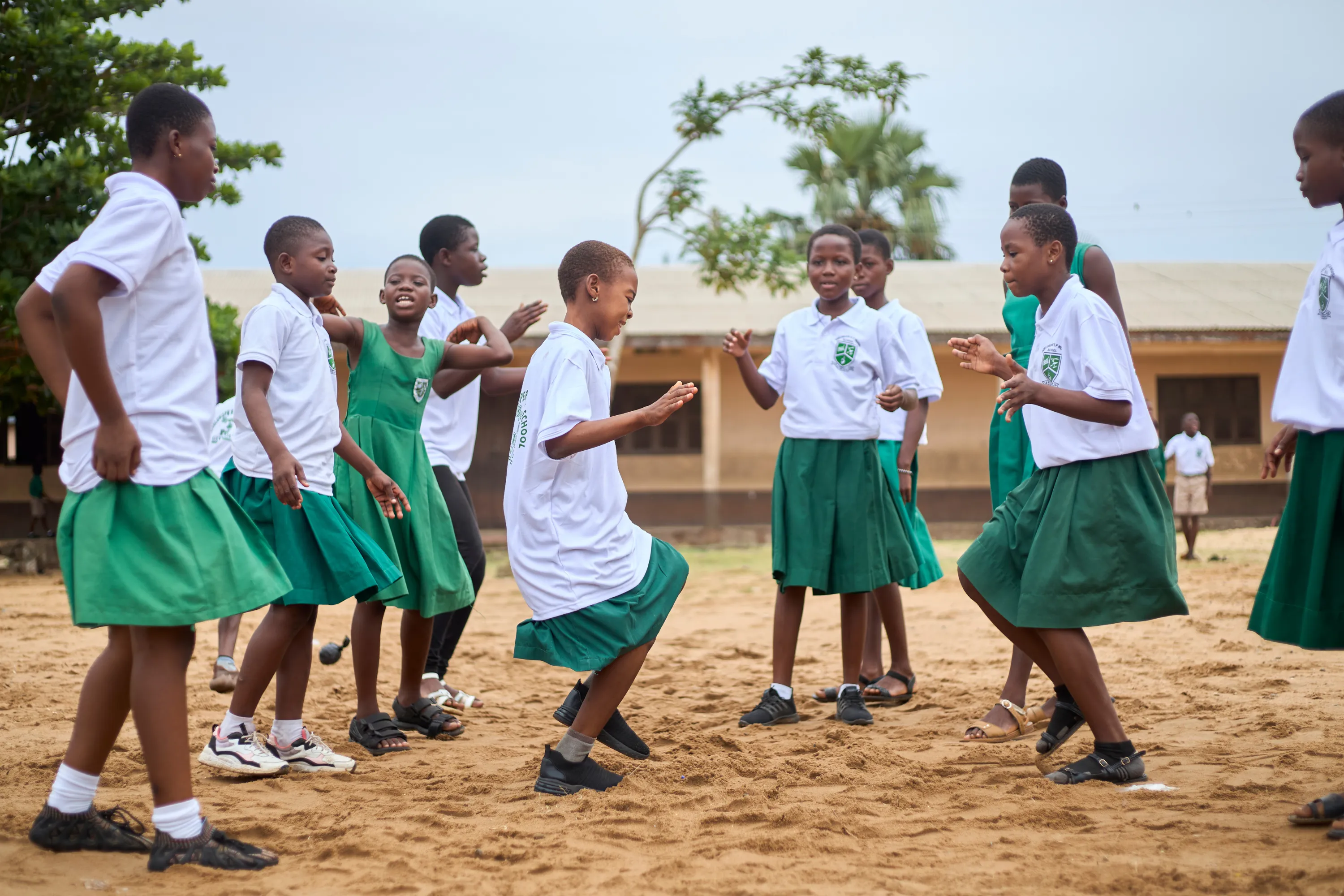
For more than 25 years, Right To Play has been a global leader in protecting, educating, and empowering children to rise above adversity through the power of play.
We reach millions of children each year in some of the most difficult places on earth, helping them to stay in school and graduate, resist exploitation, overcome prejudice, heal from trauma, and develop the skills they need to thrive. We do this by harnessing play, one of the most fundamental forces in a child's life, to teach children the critical skills they need to dismantle barriers and embrace opportunities, in learning and in life.