Ten Years of Learning Through Play: The LEGO Foundation and Right To Play
Ten Years of Learning Through Play: The LEGO Foundation and Right To Play
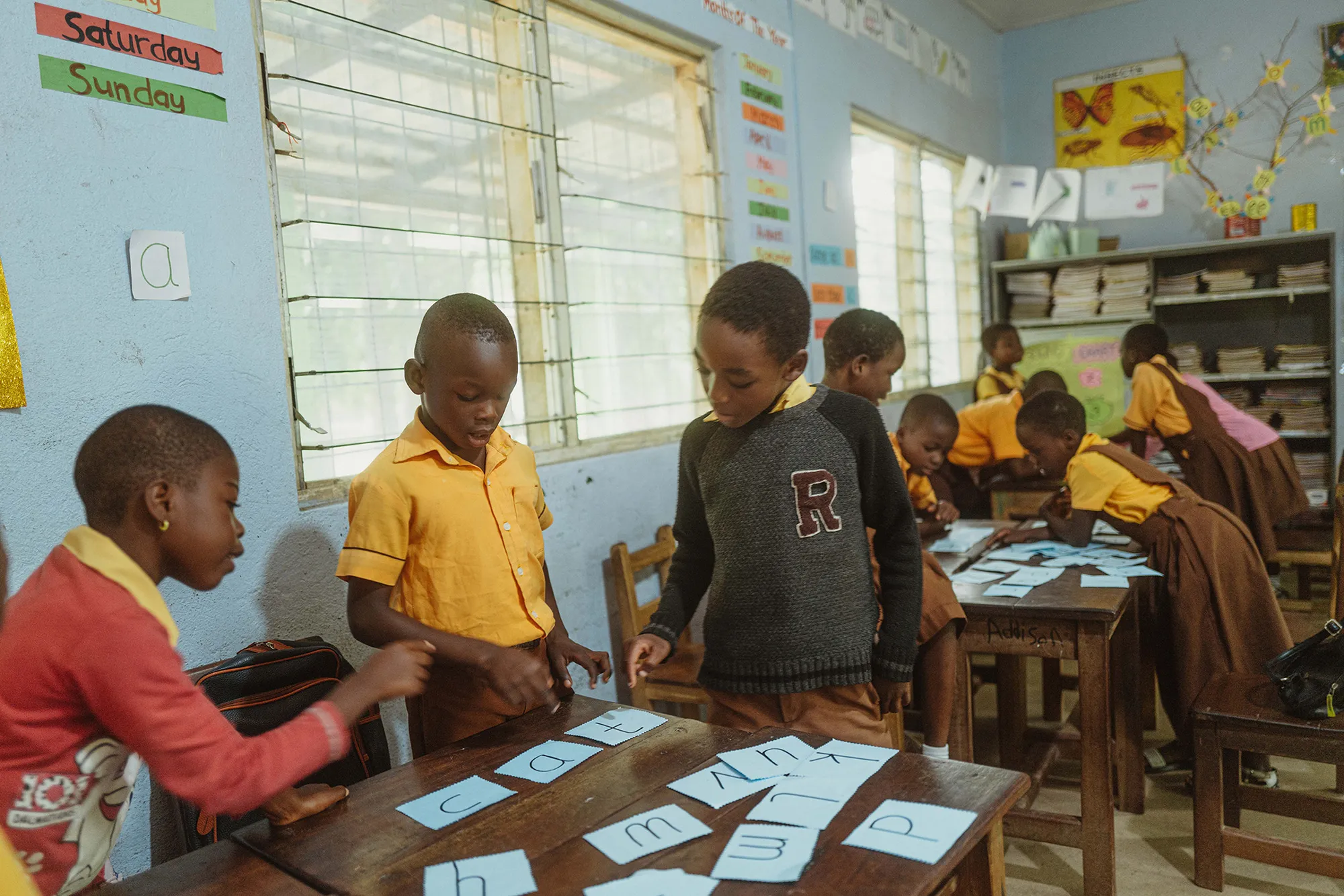
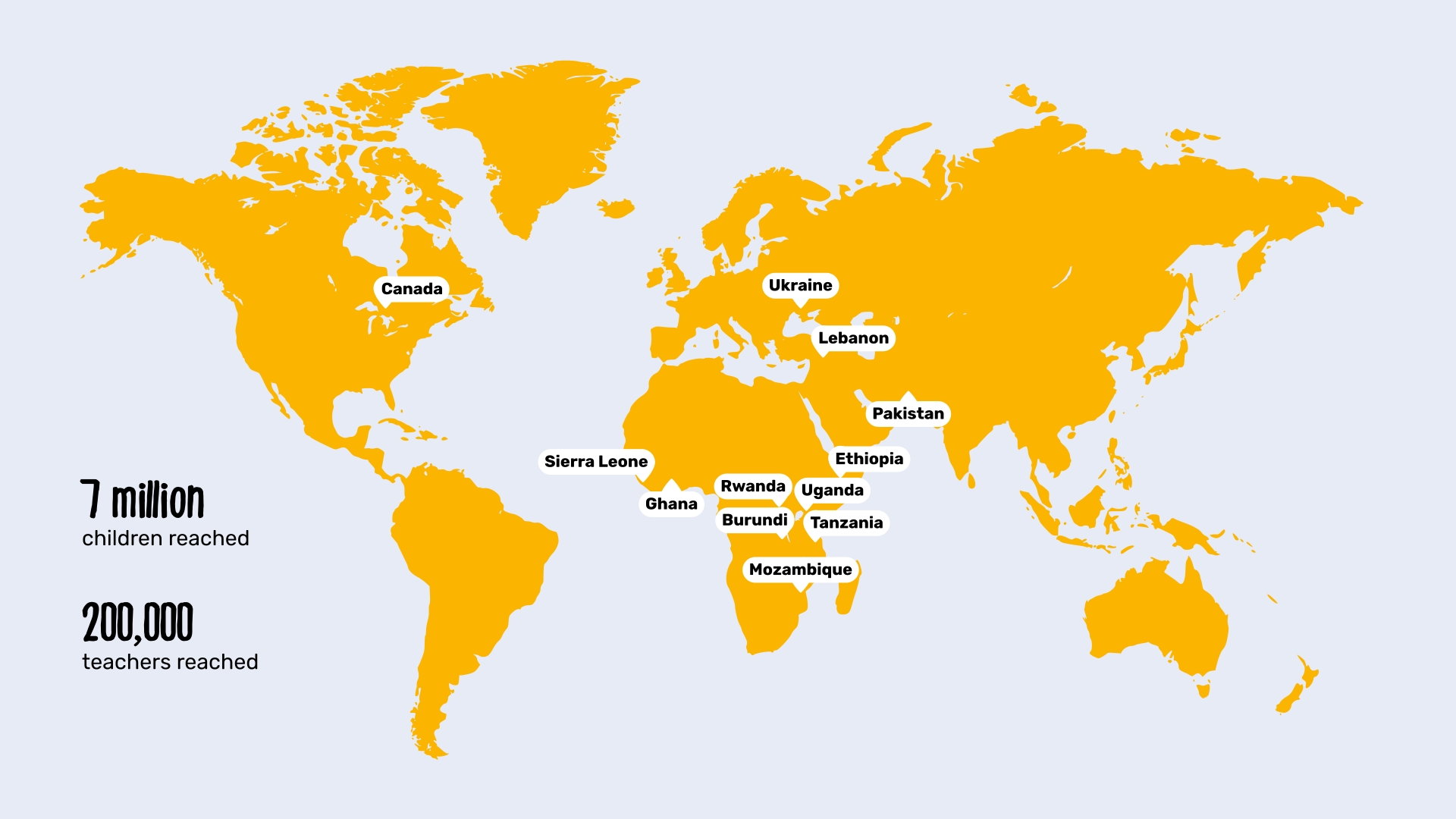
For a decade, Right To Play and the LEGO Foundation have worked together to ensure children can experience the joy and power of learning through play. Through this partnership, we have directly reached 7 million children and nearly 200,000 teachers across 12 countries in Africa and the Middle East, while developing resources that have benefited children in several additional countries.
Over the past ten years, we have learned how play can strengthen learning, well-being, and development at different stages of childhood. These lessons have helped expand our impact and contribute to the growing evidence that play is a powerful tool for helping children thrive.
Helping a Generation of Children Learn and Develop Through Play
Around the world, many children face barriers to education. Schools may be inaccessible because of conflict, climate-related disasters, poverty, discrimination, or social norms. Even in classrooms, children may encounter rote teaching methods, harsh discipline, and limited opportunities to participate in learning.
Learning through play offers a powerful alternative.
In Uganda and Tanzania, the Play to Grow project helped parents in refugee and host communities use play to support children's literacy and socioemotional development. During the pilot phase, positive parent-child relationships increased from 42% to 69% in Tanzania and from 79% to 84% in Uganda.
Parent educators continue this work in the communities, and lessons learned are informing the Ready to Learn program in Adjumani, Uganda, which supports children's psychosocial well-being as they transition from pre-primary to primary school. The program will reach 20,000 children.
In Rwanda, the Plug in Play project introduced students to making, tinkering, robotics, and coding. Using hands-on learning approaches, teachers engaged girls and boys in STEM education, helping them develop skills needed in today's workforce. One student, Aime, even placed in a national competition with his project.
During the COVID-19 pandemic, the Build Back Better program helped children continue learning and receive psychosocial support in Ethiopia, Lebanon, Pakistan, Tanzania, and Uganda. The initiative reached more than 60,000 children, 3,000 parents, and nearly 1,000 teachers. The open-source P.O.W.E.R. psychosocial well-being resource has since been used in several countries, including Ukraine.
Our Reach Together
The Ripple Effect of Investing in Teachers
Over the last 10 years, the partnership has trained teachers, strengthened curricula, and influenced education systems to ensure future generations benefit from learning through play.
In Ghana, the Partners in Play (P3) project enhanced education quality for children aged 4 to 12 between 2019 and 2024. Working with the Ministry of Education, government agencies, NGOs, and community organizations, the project integrated play-based learning into classrooms. It reached more than 16,000 teachers, 600,000 students, and over 2,000 schools. Results showed improvements in foundational literacy, student enrollment, and motivation to learn.
In Rwanda, Right To Play launched the country's first hybrid Learning Through Play teacher certification course in partnership with national education institutions and international academic partners. More than 3,300 teachers participated in the pilot, bringing playful learning to approximately 159,000 students nationwide. The course is now also being used in Ghana.
In Sierra Leone, a technical assistance project strengthened teachers' capacity to use play-based approaches in Bo and Port Loko Districts, improving teaching and learning for 811 learners while building long-term capacity within the education system.
Sustainable Systemic Change
Play-based learning is effective, affordable, and scalable. The impact achieved through the partnership has come at a cost of only €4 per child. Over the years, participants have shared how the skills and lessons they gained through Right To Play programs continue to benefit them in their education, careers, and communities.
The partnership's greatest strength lies in creating lasting systemic change.
In 2024, Right To Play and partner organizations successfully advocated for the creation of the International Day of Play, which was officially declared by the United Nations with overwhelming support from member states. The day helps raise awareness of the importance of investing in play-based learning and child development.
With support from the LEGO Foundation, Right To Play also translated lessons learned into two policy briefs: Accelerating Foundational Learning Through Play and Promoting Psychosocial Wellbeing Through the Power of Play.
Another major milestone came in 2024 at the Africa Foundational Learning Exchange (FLEX) in Kigali, where play-based learning was recognized in the Declaration for Action as a critical educational intervention—an important step forward for education policy across Africa.
Thank you!
Thank you to the LEGO Foundation for your ongoing commitment and partnership. We are proud of what we’ve accomplished through our shared vision. We look forward to reaching more children through evidence-based, scalable programs, ensuring that even those in the most difficult circumstances have the opportunity to thrive.