How Play Helped Rachele Find Her Strength Again
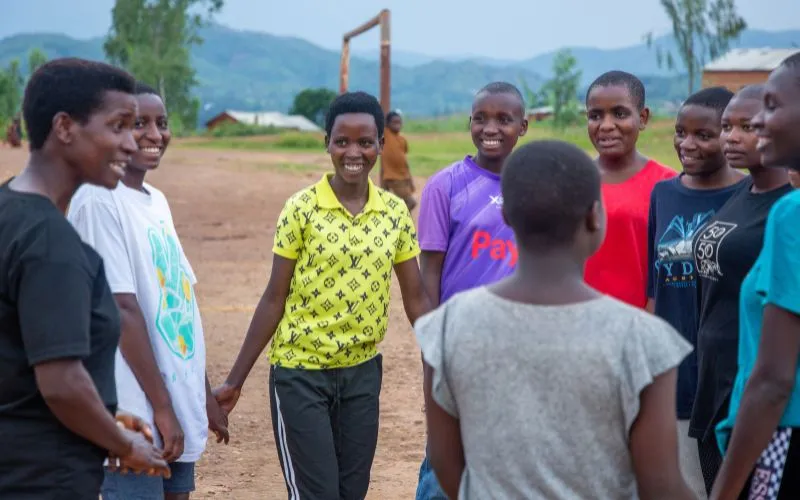
As the early morning light settles over a community football pitch in Burundi, it is already alive with movement. Laughter drifts across the grass as a group of young people begin gentle warm‑up exercises — hands on hips, shoulders swaying from side to side, easing their bodies into the day.
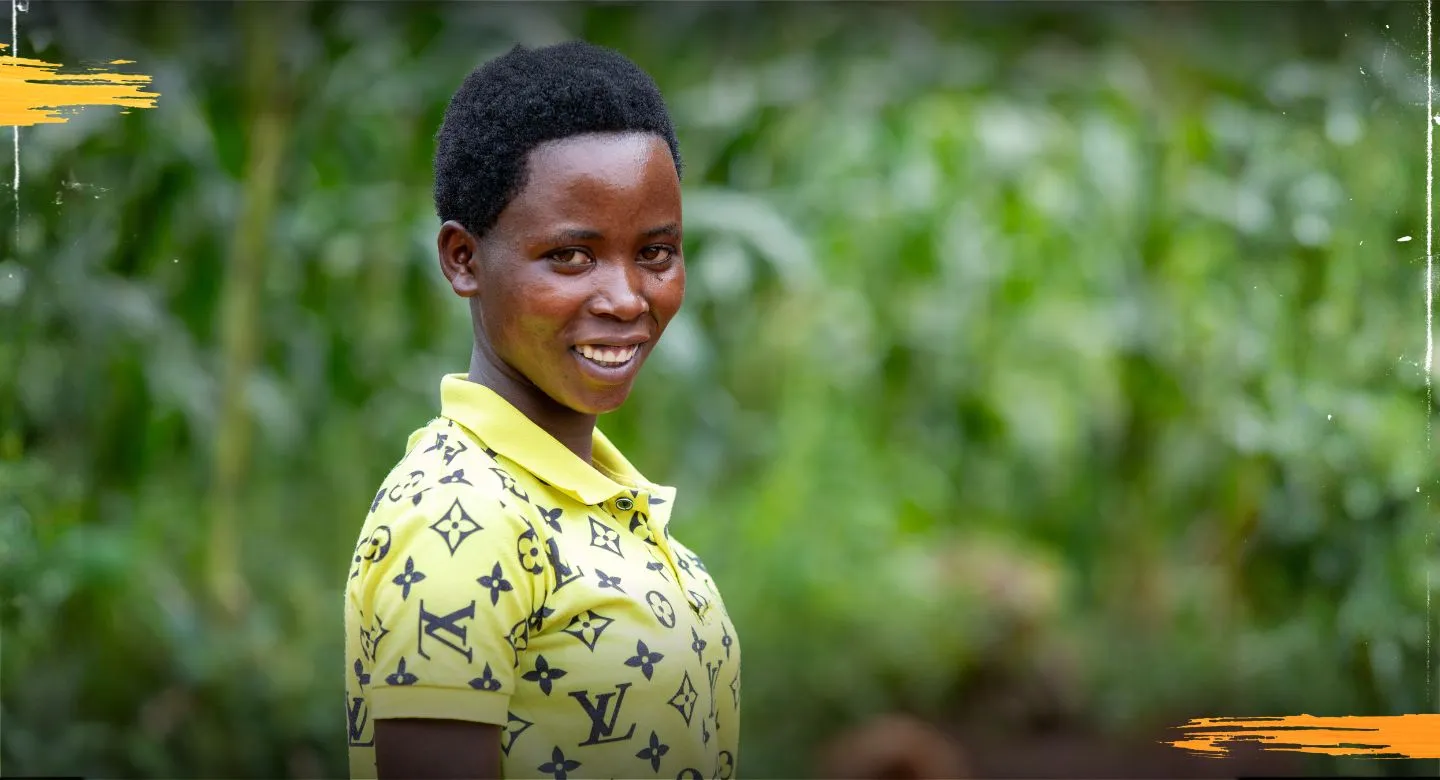
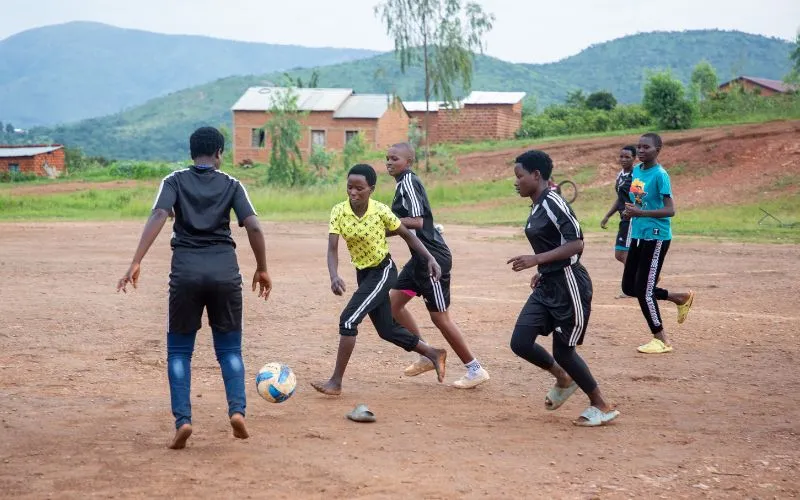
At the centre of the group is 18‑year‑old Rachele — confident, quick on her feet, and glowing with a calm energy that draws others in. She particularly enjoys these opening play sessions and warm‑ups, where simple movements help her feel grounded and connected. Soon after, the group moves into a friendly football (soccer) game, passing the ball and encouraging one another on the pitch.
Today, Rachele is full of energy — the kind that brings people together.
But not long ago, things were very different. A deeply distressing experience disrupted her sense of safety and left her feeling overwhelmed and unsure of herself. Like many young women facing emotional challenges, Rachele found it difficult to talk about what she was feeling and gradually withdrew into silence.
Finding A Safe Place To Heal
At first, all Rachele wanted was to disappear. “I could no longer look in people’s eyes,” she says softly. “I didn’t know if I would ever feel like myself again.”
In Burundi, stigma and limited access to mental health support can make it difficult for young women experiencing emotional distress to seek help. Without supportive spaces, feelings of fear and isolation can persist and affect everyday life.
That’s when Right To Play-trained Coach, Constance, encouraged Rachele to join the psychosocial sport and play sessions offered through the Sport Protects – Kukivi project. The project is implemented by Right To Play in partnership with local organizations and the Burundi Olympic Committee, and through funding support from the Olympic Refuge Foundation. It uses sport to improve the mental resilience and psychosocial well-being of young people affected by displacement in Burundi. The sessions are designed to be safe, inclusive, and supportive — places where young people can move, breathe, play, and connect at their own pace.
At first, she sat quietly at the edge of the group. Her smile was faint. Her steps were small. But the coaches were patient, and the games were gentle, designed to help participants release stress and start rebuilding trust in themselves and others.
“Play helped me feel like I wasn’t alone anymore.”
Slowly, she began to join in. A football game here. A deep‑breathing exercise there. Each movement felt like a small victory. The more she showed up, the more her confidence flickered back to life.
Rebuilding Confidence Through Play
Week by week, something bright and steady returned. Play became more than an activity — it became her therapy. Through running, she learned to release tension. Through group games, she rediscovered joy. Through team challenges, she rebuilt trust. And through guided breathing, she found calm again.
“I started laughing more,” she says. “I started feeling like myself.”
Today, Rachele is one of the most engaged participants in the program. She volunteers first. She encourages newcomers who arrive with the same hesitation she once felt.
“I learned I am stronger than what happened to me.”
Now that she has reclaimed her confidence, Rachele dreams boldly again. She wants to keep leading activities, inspiring other young women, and showing her community what resilience looks like.
“My future feels open now,” she says with a proud smile. “I want to help other girls feel safe, strong, and brave — just like I learned to be.”
“I want to be a source of hope for others.” – Rachele
The ‘Sport Protects – Kukivi’ project (2024 – 2026) aims to improve the psychosocial well-being and mental resilience of 16,000 (50% female) young people aged 15-20 years affected by displacement in Cibitoke and Ruyigi provinces, Burundi, through sport. Funded by the Olympic Refuge Foundation, the project is implemented by Right To Play, in collaboration with the Burundi National Olympic and Paralympic Committees, the Ministry of Gender and Solidarity, and local organizations.
